Know what a plot or building could become before you buy
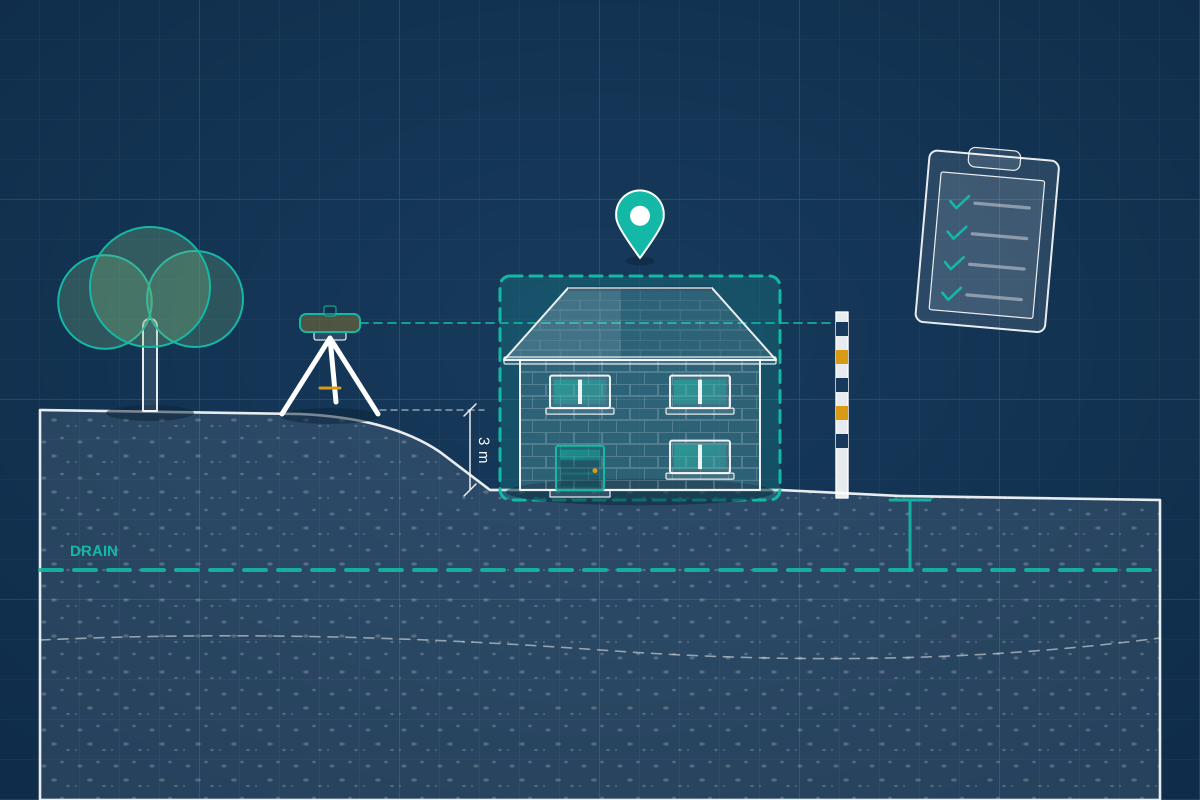
For buyers weighing up a building plot, a property to extend or convert, or land with development potential. Compare quotes from professionals who check the planning position, constraints and risks before you commit.
A site or plot appraisal is an independent look at a piece of land or a building before you buy it, to test whether what you have in mind is realistic. Sales particulars may describe development potential, but a plot without permission, a house you hope to extend or a barn you want to convert can all hide constraints. A good professional reviews the planning history, local policies, designations, access, flood risk, trees, ground and services, then gives you a clear view of what could be achieved, the main risks and the next steps, so you can negotiate, walk away or buy with your eyes open.
How a professional can help
- Planning history and policy: They read past applications and decisions for the site and its neighbours, and the local plan policies that apply, to judge what kind of scheme has a realistic chance.
- Designations and constraints: They check for Green Belt, conservation areas, listed buildings, flood zones, tree preservation orders, public rights of way and other designations that limit what can be built.
- Access and services: They look at how the site is reached, whether visibility at the entrance is likely to be acceptable, and whether water, drainage and power are available nearby.
- Sketch capacity tests: Where useful, they sketch what could fit, such as a house footprint, an extension or a number of homes, to test the idea against the constraints they’ve found.
- Risks and next steps: They summarise the main risks, which further surveys would reduce them, and whether it’s worth asking the council for an informal view before exchange or after completion.
- Points for your solicitor and surveyor: They flag issues for your conveyancing and building survey, such as covenants, ransom strips, unclear boundaries or the condition of an existing building, so nothing slips through.
Is this right for you?
- You’ve found a plot for sale without planning permission and want to know whether a house there is realistic.
- You’re buying a house and want to check whether the extension or loft conversion you have in mind is likely to be allowed.
- You’re considering land, a barn or a commercial building and want an independent view of its potential.
- A plot is marketed with planning permission and you want to know whether it’s still valid and what its conditions require.
How the project usually runs
- Agree the question: You and your professional agree what you need to know, such as whether one house could be built, how big an extension could be, or how many homes might fit.
- Desk research: They review the planning history, local plan policies, maps, designations, flood data and any information from the seller or agent about the site.
- Site visit: They visit to look at access, levels, trees, neighbours, the condition of any buildings and the character of the surroundings, which desk research alone can miss.
- Appraisal report: They set out what is likely to be achievable, the main constraints and risks, and further surveys or advice that would help, often with sketch options.
- Decision and next steps: You use the findings to negotiate, make an offer conditional on planning, seek pre-application advice or walk away, with your solicitor advising on the contract.
What affects the cost
- Whether you need a desk-based review only, or a site visit as well.
- How long and complicated the site’s planning record is, including past refusals, appeals or enforcement action.
- Whether sketch layouts or capacity studies are included in the appraisal.
- Sensitive locations, such as Green Belt, conservation areas, flood zones or listed buildings nearby.
- How quickly you need the report to meet a sale or auction deadline.
Planning checks before you buy
- Planning permission has a time limit for starting work, so check that any existing permission is still live and what its conditions require.
- Permission usually runs with the land rather than the owner, but pre-commencement conditions that were never discharged can undermine a start on site.
- England, Scotland, Wales and Northern Ireland run separate planning systems, and every council has its own local plan, so an appraisal must rest on the policies for that exact location.
- An appraisal is a professional opinion and can’t predict the council’s decision; asking the council for formal pre-application feedback gives a firmer steer.
Questions people ask
What does a site appraisal include?
It varies with the site and your plans, but usually covers planning history, local policy, designations such as Green Belt or conservation areas, flood risk, access, trees, services and neighbours, plus a view on what could realistically be built and the main risks. Some appraisals include sketch layouts. It isn’t a building survey or a legal review, so it works alongside your surveyor and solicitor.
What are the risks of buying land without planning permission?
The main risk is that the council refuses the home or scheme you have in mind, leaving you with land that can’t be used as you planned. An appraisal helps you understand that risk before you commit. Some buyers agree a purchase conditional on planning, or take an option, so permission is sought before they’re fully committed; your solicitor can advise whether that’s possible and how it would work.
Is an appraisal the same as a feasibility study?
They overlap. An appraisal is usually a quicker, earlier check focused on whether to buy and what the main risks are. A feasibility study goes further once you’re committed, developing design options, testing them in more detail and sometimes including cost advice. Many people start with an appraisal and move on to a feasibility study if they go ahead.
Can I rely on the agent’s description of planning potential?
Treat it as a starting point. Agents describe the opportunity the seller wants to highlight, and phrases like development potential carry no weight with the council. An independent appraisal checks the planning record and policy for you, and may turn up constraints, expired permissions or past refusals that change your view of the asking price.
Will the appraisal tell me what to offer?
Not directly. A design or planning professional can set out what’s likely to be achievable and the risks involved, which helps you and your valuer judge the price. For a formal valuation, speak to a chartered surveyor who carries out valuations, and for a development scheme a cost consultant can add build cost estimates.
Can an appraisal check a house I want to extend before I buy it?
Yes. An appraisal of an existing home looks at which extensions or conversions are likely to be allowed, whether the house still has its permitted development rights, what has already been added, any conservation area or listed status, and the effect on neighbours. It can stop you buying a house on the strength of an extension the council is unlikely to accept.
Available across the UK
Professionals cover the whole of the UK: England, Scotland, Wales and Northern Ireland. Planning and Building Regulations differ between the four nations, and your professional will work to the rules that apply where your property is.
- Get free quotes
- Site / Development Feasibility
- Planning Consultants
- Pre-Application Advice
- Flood Risk Assessments
- Commercial Architectural Services
- Flat Conversions
- HMO Conversions
- Infill and Garden Plot Development
- Mixed-Use Developments
- Modular and Prefabricated Homes
- New Build Houses
- Replacement Dwellings
- All services
- Find your area