Will a new building block your light? Get a clear answer
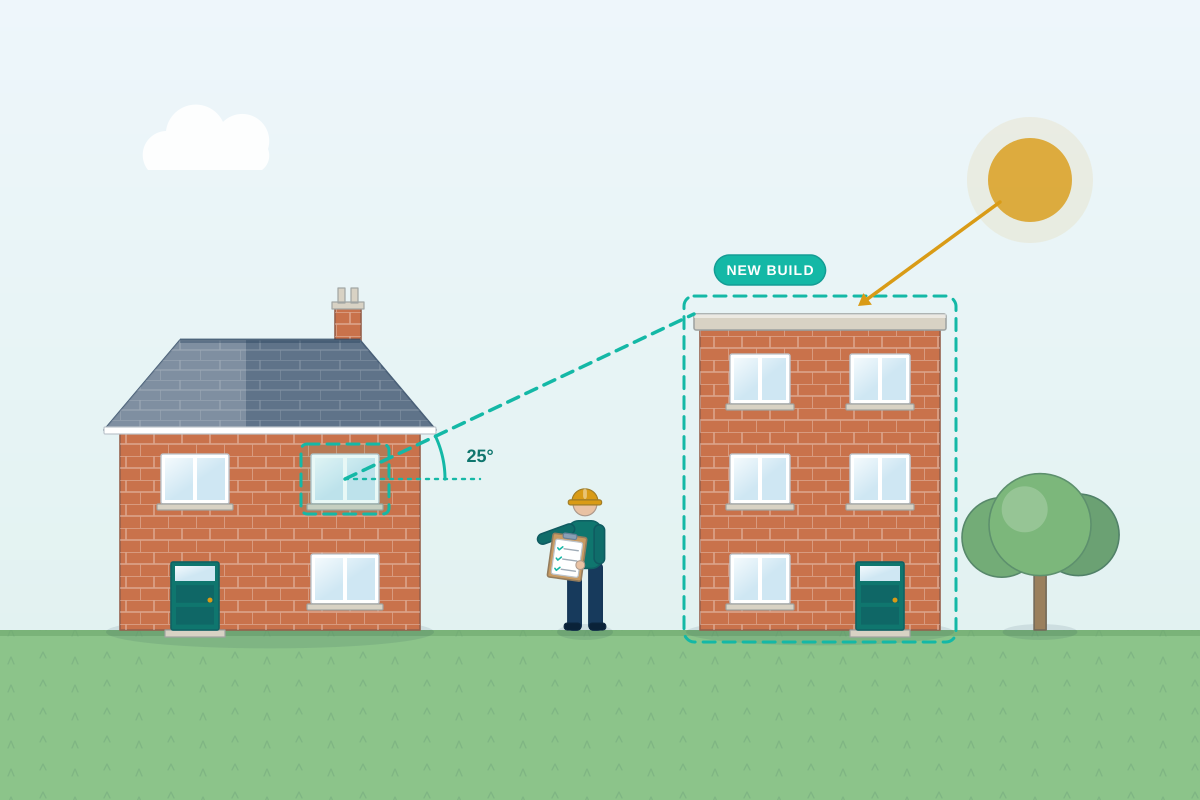
For neighbours worried a nearby development will block light, and for owners planning to build close to someone’s windows. Compare quotes from surveyors who assess rights of light.
A right of light is a legal right, usually built up over years of use, to receive enough daylight through a window or opening. It is separate from planning permission, so a building can have planning consent and still interfere with a neighbour’s right to light. A rights of light surveyor measures the windows and the proposed building, models how much light would remain in each room, and gives a view on whether the loss is likely to be significant. They then help with the next step, such as a design change, a negotiated agreement or a response to a claim. A right of light does not protect a view or privacy.
How a professional can help
- Working out whether a right of light exists: They look at the age of the windows, how long they have received light and any documents that grant or affect a right, as a right usually arises after twenty years of uninterrupted use.
- Measuring and modelling the light: They survey the windows and rooms, build a 3D model of the existing and proposed buildings and test how much light reaches each room before and after, to see whether the change is significant.
- Advising building owners and developers: They tell you early if your design is likely to cause a problem and suggest changes, such as reducing height or setting the building back, before drawings are finalised and planning is submitted.
- Advising neighbours who are affected: They assess your windows and say whether the loss of light looks serious enough to challenge, what you could ask for, and whether to speak to a solicitor about an injunction (a court order to stop or change the work) or compensation.
- Negotiating an agreement with the neighbour: Where light would be lost, they help negotiate an agreement in which the neighbour accepts the loss, often for payment. A solicitor records it in a legal document called a release.
- Daylight reports for planning: They explain how a rights of light assessment differs from the daylight and sunlight report a council may ask for, so you commission the right one, or both, at the right time.
Is this right for you?
- A development, extension or tall building is planned close to your windows and you fear a loss of light.
- You’re planning to build near a neighbour’s windows and want to know whether they could claim a right to light.
- You’ve received a letter threatening an injunction or compensation over light.
- Your neighbour has said they will object on the grounds of light.
How the project usually runs
- Collect the information: The surveyor gathers drawings of the proposed building, plus details of the neighbouring windows, such as their sizes, positions, room uses and how long they have been in place.
- Survey the windows and rooms: They measure the affected windows and rooms, often with permission to enter the neighbouring property, and photograph the outlook so the model matches what is actually there.
- Model and test the light: A computer model compares the light reaching each room now and after the building goes up, and shows which rooms and windows would lose light, and by how much.
- Report and advice: The surveyor reports the findings in plain language, saying where a claim looks unlikely and where it looks serious, and sets out options, such as adjusting the design or negotiating.
- Agree or respond: Where needed, they negotiate a settlement or release between neighbours, and a solicitor records it. If a claim is made, the report supports your legal advice and any response.
What affects the cost
- How many neighbouring windows and rooms are affected, and how large the new building is.
- Whether the neighbouring properties are houses, flats or commercial space, which changes the analysis.
- Whether access to the neighbouring rooms for measuring has been agreed.
- How many design options you want tested, and whether results are needed quickly.
- Whether negotiation with neighbours or their advisers is part of the job.
Rights of light, planning and the four nations
- Rights of light are a private legal right between neighbours, separate from planning permission and the Party Wall etc. Act 1996. A planning consent does not remove a neighbour’s right.
- A planning daylight and sunlight assessment looks at planning policy and is not the same test as a rights of light analysis, so a scheme may need both.
- This page describes the position in England and Wales. Scotland and Northern Ireland have different law on light, so take local advice. Surveyors cover the whole UK.
- Whether a right exists, and what remedy a court might give, depends on the facts. A surveyor provides the measurements and a solicitor advises on the law.
Questions people ask
How is a right of light acquired?
In England and Wales, a right to light is usually acquired by using a window for at least twenty years without interruption, or it can be granted in a deed. It doesn’t depend on planning. Not every window has one. A surveyor can check the history of your windows, and a solicitor can confirm the legal position.
Does planning permission remove my neighbour’s right to light?
No. Planning permission deals with public planning policy. A neighbour’s right to light is a private legal right, and the permission does not override it. A building with planning consent can still be challenged, so developers often check rights of light before they build.
Do I have a right to a view?
No. A right of light protects the daylight reaching a window, not the view out of it, and it gives no privacy either. A nearby building might spoil your view without interfering with your right to light. A surveyor can explain what is and isn’t protected.
What can a neighbour do if I block their light?
A neighbour may seek an injunction, which is a court order to stop or change building work, or ask for money, known as damages. What a court decides depends on the facts. Taking early advice and agreeing a settlement is usually quicker and less stressful than going to court.
What is a light obstruction notice?
It is a formal notice that a landowner can register to prevent a right to light building up over their land. It has detailed legal requirements, so a surveyor and solicitor should advise before one is used. It is not something to rely on without checking.
Available across the UK
Party wall surveyors cover the whole of the UK. The Party Wall etc. Act 1996 applies in England and Wales; Scotland and Northern Ireland have different rules, and a professional can tell you what applies to your property.
- Get free quotes
- Daylight and Sunlight Assessments
- Party Wall Surveying
- Neighbour Disputes and Expert Witness Reports
- Planning Permission
- Access to Neighbouring Land
- Boundary Disputes and Boundary Surveys
- Crane Oversail and Scaffold Licences
- Damage Claims and Making Good
- Post-works Inspections
- Schedules of Condition
- All services
- Find your area