Get help responding to a planning enforcement notice
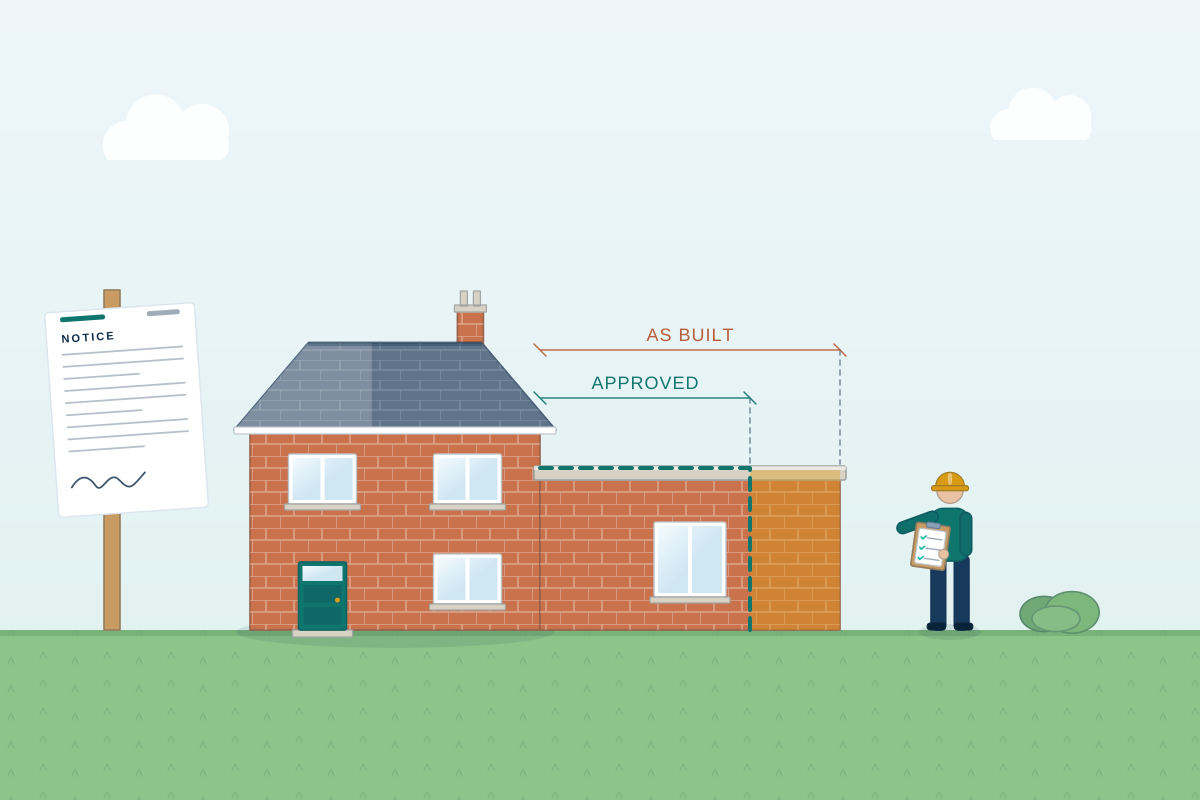
For homeowners, landlords and businesses contacted by the council about unauthorised building work or use. Compare quotes from professionals who can explain your options and help you respond in time.
Planning enforcement usually starts with a complaint, often from a neighbour, followed by a council visit or letter. It might be about an extension built without permission, work that doesn’t match the approved plans, a breached condition, or a change of use such as a home business or a house in multiple occupation. The council may ask questions informally, serve a planning contravention notice, or issue an enforcement notice requiring work to stop or be undone. Each stage has deadlines, and ignoring a formal notice can become a criminal offence. A good professional reads the paperwork, checks the planning history and the facts, and advises whether to apply retrospectively, seek a lawful development certificate, negotiate changes or appeal.
How a professional can help
- Making sense of the notice: They explain what the council says has happened, what it’s asking for, the deadlines involved and the likely consequences of each possible response.
- Checking the facts and history: They review planning records, dates of work, photos and other evidence to establish whether there really is a breach, or whether the work is permitted development or has become lawful.
- Replying to a contravention notice: They help you answer a planning contravention notice fully and accurately, which matters because your answers can be relied on later and false statements are an offence.
- Regularising the work: Where the work could be acceptable, they prepare a retrospective application, a lawful development certificate application or design changes that the council is more likely to accept.
- Enforcement appeals: If an enforcement notice is issued, they assess the possible grounds of appeal, prepare the case and evidence, and manage the appeal process for you.
- Negotiating with the council: They can talk to the enforcement officer to agree a realistic way forward, such as a timetable for alterations, rather than letting the case escalate.
Is this right for you?
- You’ve had a letter, a site visit or a notice from your council’s planning enforcement team.
- A neighbour has complained about your extension, outbuilding, fence, business or change of use.
- You built something without permission, or not to the approved plans, and want to put it right.
- An enforcement notice has been served and you must decide whether to comply or appeal before it takes effect.
- You’re buying a property and the seller can’t show consent for work that has been done.
How the project usually runs
- Urgent review of the paperwork: Your professional reads the letter or notice, notes every deadline, and explains what must happen first so that no rights of reply or appeal are lost.
- Gather the evidence: They collect the planning history, photos, dated invoices, statutory declarations and drawings to show what was built or used, and when.
- Agree the strategy: With the facts established, they advise on the most suitable route: comply, alter the work, apply retrospectively, seek a lawful development certificate or appeal.
- Submit and negotiate: They prepare and submit the application, response or appeal, and keep in touch with the enforcement officer while it is being considered.
- Resolve and keep records: Once the matter is settled, keep the decision, certificate or closure letter, because buyers, lenders and solicitors are likely to ask for it.
What affects the cost
- Which stage the case has reached, from an informal enquiry to an enforcement notice or appeal.
- How much evidence needs gathering, especially if you’re relying on how long the work or use has existed.
- Whether new drawings, surveys or specialist reports are needed to support an application or appeal.
- Whether an appeal is decided by written representations, at a hearing or at a public inquiry.
- Whether the property is listed or in a conservation area, which can make the case more complex.
Enforcement rules and deadlines
- Enforcement is at the council’s discretion, and many cases are resolved by negotiation, alterations or a retrospective application rather than formal action.
- An enforcement notice states the date it takes effect, and in England and Wales any appeal must be made before that date.
- Time limits after which some breaches become immune from enforcement exist, but they differ between the UK nations and have changed in England in recent years.
- Unauthorised works to a listed building are dealt with separately, can be a criminal offence and aren’t protected by the same time limits.
Questions people ask
What is a planning contravention notice?
It’s a formal request from the council for information about activities on the land, such as what work has been done, when and by whom. It doesn’t mean enforcement action will follow, but it’s often a step before it. Failing to reply by the deadline, or knowingly giving false information, can be an offence, so take advice before answering.
Should I stop work if the council contacts me?
Not necessarily, but think carefully before carrying on. Continuing to build after a complaint can make it more costly to put things right if the council later requires changes. If the council serves a stop notice or temporary stop notice, the activity must stop, because ignoring one is an offence. Take advice on your own situation.
Can I just apply for planning permission retrospectively?
Often, yes. A retrospective application is judged on its planning merits in the same way as one made before the work. It can be a sensible way to resolve a case, especially if the work is acceptable or could be with small changes. If it’s refused, the council will then consider whether to take enforcement action.
What happens if I ignore an enforcement notice?
Once an enforcement notice takes effect, failing to comply within the period it gives is a criminal offence, and the council can prosecute. It may also carry out the work itself and recover its costs, and the notice stays on record against the property, which can affect a future sale. Acting early keeps more options open.
Is old unauthorised work safe from enforcement?
Some breaches can become immune from enforcement after a period of time, but the rules differ between the UK nations, have changed in England in recent years, and deliberate concealment can affect the position. You usually need strong evidence of when the work was finished or the use began, and a lawful development certificate is the formal way to confirm it.
Available across the UK
Professionals cover the whole of the UK: England, Scotland, Wales and Northern Ireland. Planning and Building Regulations differ between the four nations, and your professional will work to the rules that apply where your property is.
- Get free quotes
- Retrospective Planning Applications
- Lawful Development Certificates
- Planning Appeals
- Planning Consultants
- Change of Use
- Conservation Area Projects
- Design and Access Statements
- Discharge of Planning Conditions
- Full Planning Applications
- Heritage and Conservation Architects
- Heritage Statements
- Householder Planning Applications
- All services
- Find your area