Conservation-led design for your listed or historic building
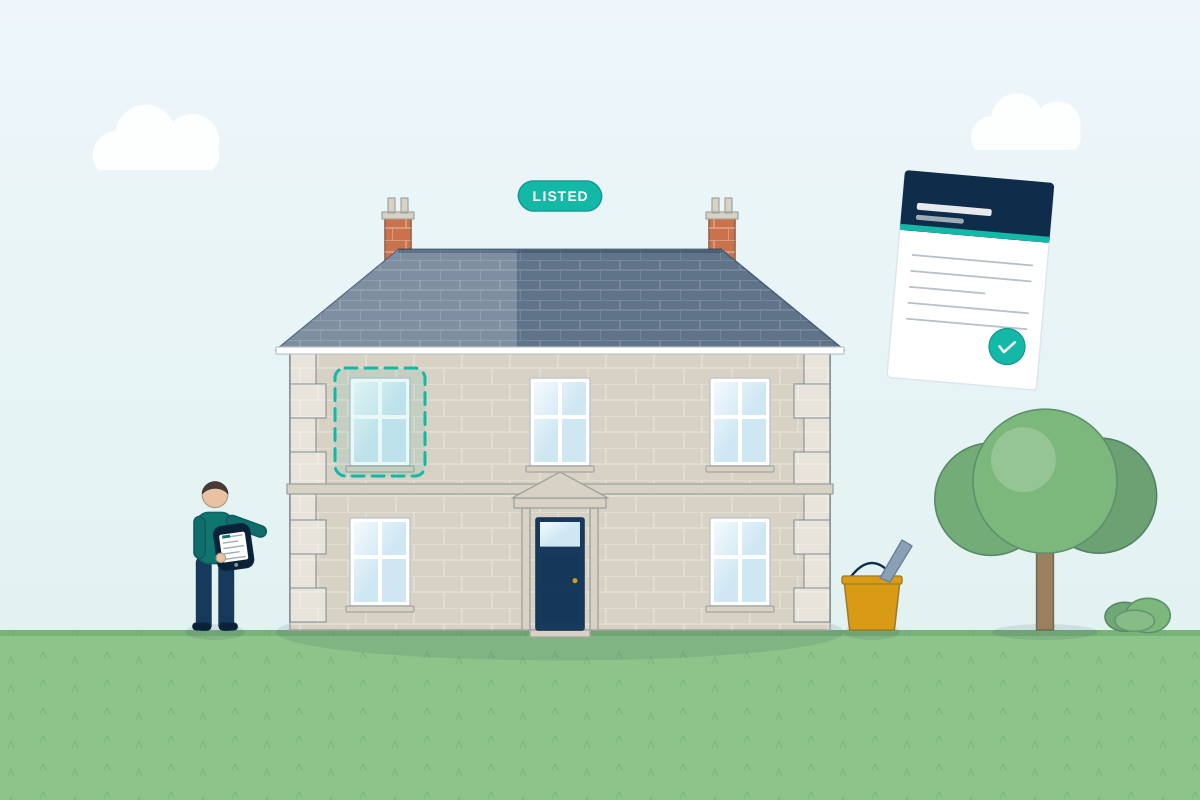
For owners of listed buildings, period homes, churches and historic sites. Compare quotes from conservation architects and other heritage professionals who can repair, adapt and extend with care.
Historic buildings need a different approach from modern ones. Solid walls, lime mortars, timber frames and old roofs behave differently, and the wrong repair, such as cement render or impermeable paint, can trap moisture and cause lasting damage. Heritage and conservation specialists start by understanding the building: how it was built, how it has changed and which parts carry its significance. From there, they design repairs, alterations and extensions that keep as much historic fabric as possible, use compatible materials and, where it matters, can be reversed. They also prepare the drawings, schedules and justification for listed building consent, and can oversee specialist craftspeople on site.
How a professional can help
- Condition surveys and repair schedules: They inspect the building, record defects and their causes, and prepare a prioritised schedule of repairs using traditional materials and methods suited to its construction.
- Designing alterations and extensions: They design changes that work with the building’s plan form and character, often keeping a clear distinction between the historic fabric and the new work.
- Listed building consent packages: They prepare survey drawings, proposed details, method statements and heritage justification, and discuss proposals with conservation officers before submitting.
- Balancing energy efficiency and conservation: They advise on improvements such as secondary glazing, breathable insulation and efficient heating that can reduce energy use without harming historic fabric or causing damp.
- Specifying specialist trades: They specify lime work, joinery, leadwork, stonework and other craft repairs in enough detail for specialist contractors to price and carry out properly.
- Inspecting work on site: They visit during the works to check repairs match the agreed specification and to resolve surprises, which are common once historic fabric is opened up.
Is this right for you?
- You own a listed building and want to repair, alter, extend or convert it.
- Your period home has damp, cracking or failing past repairs, and you want the causes fixed properly.
- You look after a church, chapel, village hall or other historic building that needs a long-term repair plan.
- Your project affects a scheduled monument or another site of national importance.
- You want to make an old building warmer and more efficient without damaging it.
How the project usually runs
- Understand the building: Your professional visits, researches the building’s history and significance, and agrees with you what you want to achieve and what must be protected.
- Survey and record: Measured and condition surveys record the building as it is, and any opening-up needed to understand hidden fabric is agreed with the council first where consent is required.
- Design and consents: Proposals are developed and discussed with the conservation officer, then submitted for listed building consent and any planning permission or scheduled monument consent needed.
- Specification and tender: Detailed drawings, repair specifications and schedules are prepared so specialist contractors can price on the same basis, and a suitable contractor is appointed.
- Works on site: Your professional inspects regularly, records what is uncovered, agrees changes where the historic fabric differs from expectations, and signs off the completed work.
What affects the cost
- The listing grade or category and complexity of the building, and how much historic fabric the work affects.
- How much research, surveying and recording is needed before design can start.
- Which consents are required, such as listed building consent, planning permission or scheduled monument consent, and how much discussion they involve.
- The level of involvement you want during the works, from occasional visits to full contract administration.
- The need for other specialists, such as structural engineers or archaeologists with experience of historic buildings.
Consents for historic buildings
- Most works affecting the character of a listed building, inside or out, need listed building consent, even where planning permission isn’t required.
- Scheduled monument consent is handled nationally rather than by your council, and the process differs in each UK nation.
- Some places of worship fall under the ecclesiastical exemption and use their own denominational consent systems instead of listed building consent.
- Building Regulations (building standards in Scotland) still apply to historic buildings, but energy requirements can often be applied sensitively; your professional can discuss what’s reasonable with building control.
Questions people ask
What is a conservation architect?
It’s a registered architect who specialises in historic buildings, often recognised through a conservation accreditation scheme. Heritage work is also carried out by building surveyors, architectural designers and consultants with conservation expertise. For complex listed buildings or grant-funded projects, ask about accreditation and similar past projects before appointing anyone.
Why do the right materials matter so much in old buildings?
Many older buildings were built with solid walls and soft, breathable materials such as lime mortar and lime plaster, which let moisture move in and out. Modern cement, gypsum plaster and plastic paints can trap that moisture, causing damp, decay and damaged stone or brick. Using compatible materials protects the building and tends to make repairs last longer.
Can I make a listed building more energy efficient?
Often, yes, with care. Draught-proofing, secondary glazing, loft insulation in breathable materials and better heating controls can make a real difference, although even these may need listed building consent, and more invasive changes need careful assessment. A heritage professional can help you choose measures that suit the building and avoid creating condensation or damp.
Can I extend a listed building?
Many listed buildings have been extended, but the design must respect the building’s character, scale and setting, and it needs listed building consent and usually planning permission. Councils often look for extensions that are clearly subordinate to, and distinguishable from, the original. Early advice and a strong heritage justification help, although approval is never certain.
Do I need specialist builders for a historic building?
For most work to historic fabric, yes. Lime work, timber repairs, leadwork and stone repairs need craftspeople experienced in traditional methods. Your professional can specify the work clearly and suggest what experience to look for, so contractors price like for like and the repairs are carried out properly.
Available across the UK
Professionals cover the whole of the UK: England, Scotland, Wales and Northern Ireland. Planning and Building Regulations differ between the four nations, and your professional will work to the rules that apply where your property is.
- Get free quotes
- Listed Building Projects
- Heritage Statements
- Period Property Renovation
- Measured Building Surveys
- Change of Use
- Conservation Area Projects
- Design and Access Statements
- Discharge of Planning Conditions
- Full Planning Applications
- Householder Planning Applications
- Lawful Development Certificates
- All services
- Find your area