Find out why your walls are cracking and whether it matters
For owners who have noticed cracks in walls, ceilings or floors, or doors and windows that stick. Describe what you can see and compare quotes from structural engineers who investigate the cause.
Most houses have cracks somewhere, and plenty are harmless: hairline shrinkage cracks in new plaster, or small cracks at the edges of ceilings. Others are the first sign of movement in the structure, from subsidence (the ground sinking) or heave (the ground swelling) to failing lintels, corroded wall ties (the metal links in a cavity wall) or a roof pushing out the walls. An engineer investigating cracks does not just measure them. They look at the pattern, the width and where the cracks run, ask when they appeared and whether they open and close with the seasons, and look for the likely cause in the ground, the drains, the trees, the roof or the way the building has been altered. You should end up with a clear view of whether it matters and what to do about it.
How a professional can help
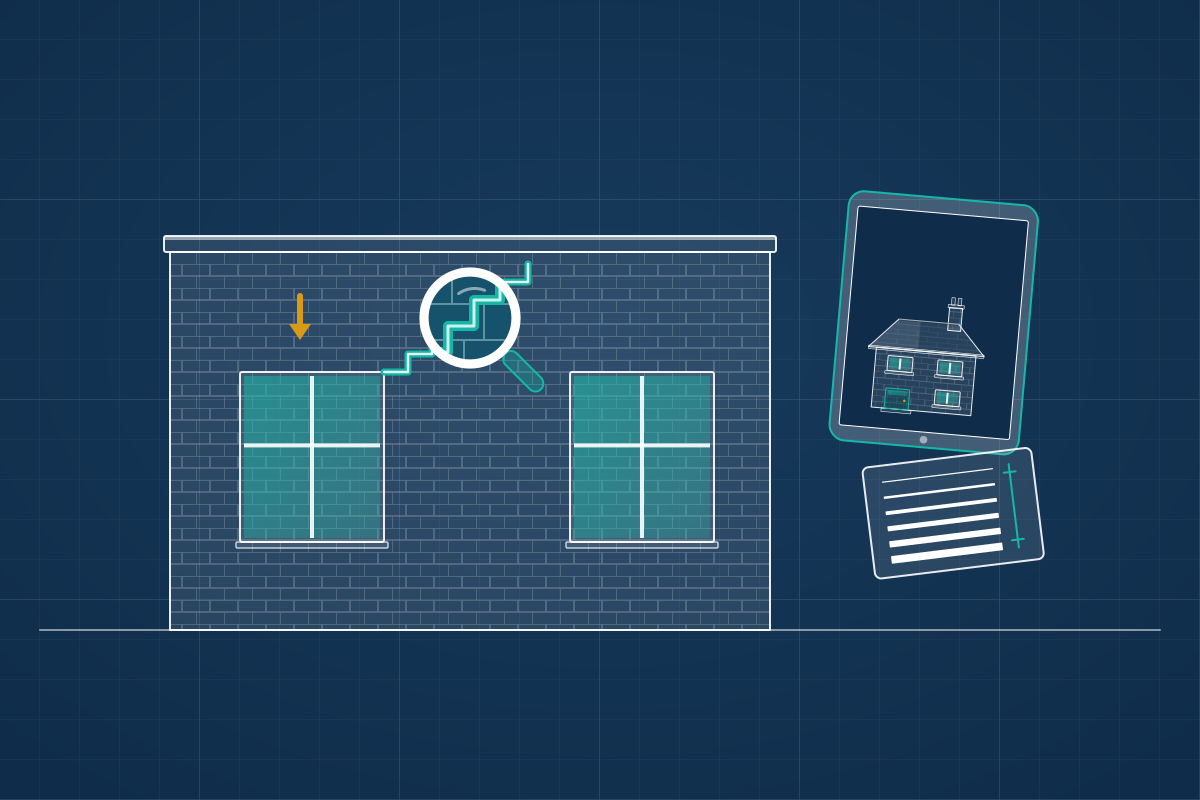
- Reading the pattern of the cracks: Stepped cracks following the mortar joints, tapering diagonal cracks, horizontal cracks in the mortar and cracks above openings each point to different causes, and the engineer knows which to look for.
- Checking whether the building is out of level: Floors and window sills are checked with a level, and walls with a plumb line or laser, to see whether the building has dropped or tilted and where.
- Checking lintels, the roof and past alterations: Cracks above doors and windows can point to a failing lintel (the beam over the opening), and cracks near a removed wall to weak support. The engineer checks these, and the roof, as well as the ground.
- Separating cosmetic from structural: They tell you plainly which cracks can simply be filled and redecorated, which should be watched, and which need further investigation or repair.
- Looking back through the history: They ask when the cracks first appeared, whether they have grown and what has changed, such as a dry summer, a leak, tree growth, work on the house or building work nearby. Trees, drains and the type of soil are noted too.
- Recommending the next step: That might be monitoring with crack gauges, trial pits, a drain survey, a tree report, repair design or simply reassurance, and the engineer explains why.
Is this right for you?
- You’ve noticed new or growing cracks in walls or ceilings and want to know whether they are serious.
- Doors and windows have started to stick, or floors have started to slope.
- Cracks have appeared after building work, a dry summer, a burst pipe or work next door.
- You’d like an independent opinion on what a builder or surveyor has said about your cracks.
How the project usually runs
- Tell the engineer what you know: You describe where the cracks are, when they appeared and whether they have changed, and send photographs, ideally with a ruler or coin beside the crack to show the width.
- Inspection of the building: The engineer inspects the cracks inside and out, measures them, checks levels and plumb, and looks at the roof space, the floors, the drains and any trees or building work nearby.
- Initial opinion: Often the pattern, history and setting point to a likely cause, such as shrinkage, old movement, a failed lintel or a leaking drain, and the engineer explains their view.
- Further investigation if needed: If the cause is unclear, they may recommend monitoring over time, trial pits to expose the foundations, a CCTV drain survey or a tree report before reaching a firm conclusion.
- Findings and next steps: A written report gives the findings, the likely cause, how serious it is and what should happen next, whether that is repair, monitoring or no action beyond redecoration.
What affects the cost
- The number of cracks and how widespread they are across the building.
- Whether one visit is enough, or monitoring, trial pits or a drain survey are needed to reach a firm conclusion.
- The age and construction of the property, and how much is known about its foundations.
- Whether the report is for your own use, or needs to satisfy a buyer, lender or insurer.
- How hard it is to get into the loft, under the floors and around the outside walls for inspection.
- Whether you then want repair details or drawings designed as well.
Insurance cover, repairs and approvals
- Insurers treat cracks differently depending on the cause. Sudden damage from a storm, a flood or a burst pipe, or suspected subsidence, may be covered, while ordinary wear and shrinkage usually are not. Read your policy and tell your insurer before you pay for repairs.
- Investigating cracks needs no approval, but repairs such as underpinning or stitching (metal bars set across a crack) do: building control must sign them off, and how that works differs across England, Scotland, Wales and Northern Ireland. Engineers cover the whole UK.
- If your home is listed or in a conservation area, ask the council what consent a repair needs before it starts, because the wrong repair can harm historic fabric.
- If a neighbour’s building work could be involved, the Party Wall etc. Act 1996 may apply in England and Wales, and a schedule of condition can help to show what was there before.
Questions people ask
How do I know if a crack is serious?
Width and pattern matter, but so does whether it is growing, whether it goes right through the wall and whether doors and windows are affected. Hairline cracks are often cosmetic, while wider cracks that grow, taper or run through the wall deserve an engineer’s look. If a crack is widening quickly, or a wall, floor or ceiling looks to be moving, keep people away and get advice straight away.
Do all cracks mean subsidence?
No. Many cracks come from shrinkage, temperature changes, old settlement or minor movement, not subsidence. Subsidence cracks tend to be diagonal or stepped, are often wider at the top and may open in dry weather. Only an investigation, often including monitoring, can confirm which it is.
Should I fill the cracks first?
It is better to wait until an engineer has looked. Filling hides the crack’s width and makes monitoring harder, and repairs done before the cause is known can fail. Take dated photographs first, with a ruler beside the crack, so you have a record of how it looked.
Are cracks where an extension joins the house a problem?
Not always. A hairline gap at the join is common, because the two parts dry out and settle a little differently. A gap that is wide, growing or stepped may mean the extension’s foundations are moving differently from the house. An engineer can check the foundations and whether a movement joint (a deliberate gap filled with flexible material) was built in.
Can cracks appear after work next door?
Yes, in some cases, from digging, piling or demolition close by. If the neighbour’s work falls under the Party Wall etc. Act 1996 in England and Wales, a record of your property’s condition may exist from before the work. An engineer can inspect and give an opinion on whether the cracks fit that cause.
Available across the UK
Professionals cover the whole of the UK: England, Scotland, Wales and Northern Ireland. Planning and Building Regulations differ between the four nations, and your professional will work to the rules that apply where your property is.
- Get free quotes
- Subsidence Investigations
- Crack and Movement Monitoring
- Wall Stitching and Crack Repair Design
- Ground Investigations and Soil Surveys
- Bowing, Leaning and Bulging Wall Assessments
- Chimney Stack and Parapet Stability Checks
- Expert Witness and Defect Investigations
- Fire, Flood and Impact Damage Assessments
- Historic and Listed Building Structural Surveys
- Independent Second Opinions and Design Checks
- Independent Structural Advice for Neighbours
- All services
- Find your area